
What to Check Before a Pest Control Visit in Miami
Walk the doors, kitchen, garage, and irrigated edges of your Miami home. Learn what to photograph and which details help a pest inspection get to the source.
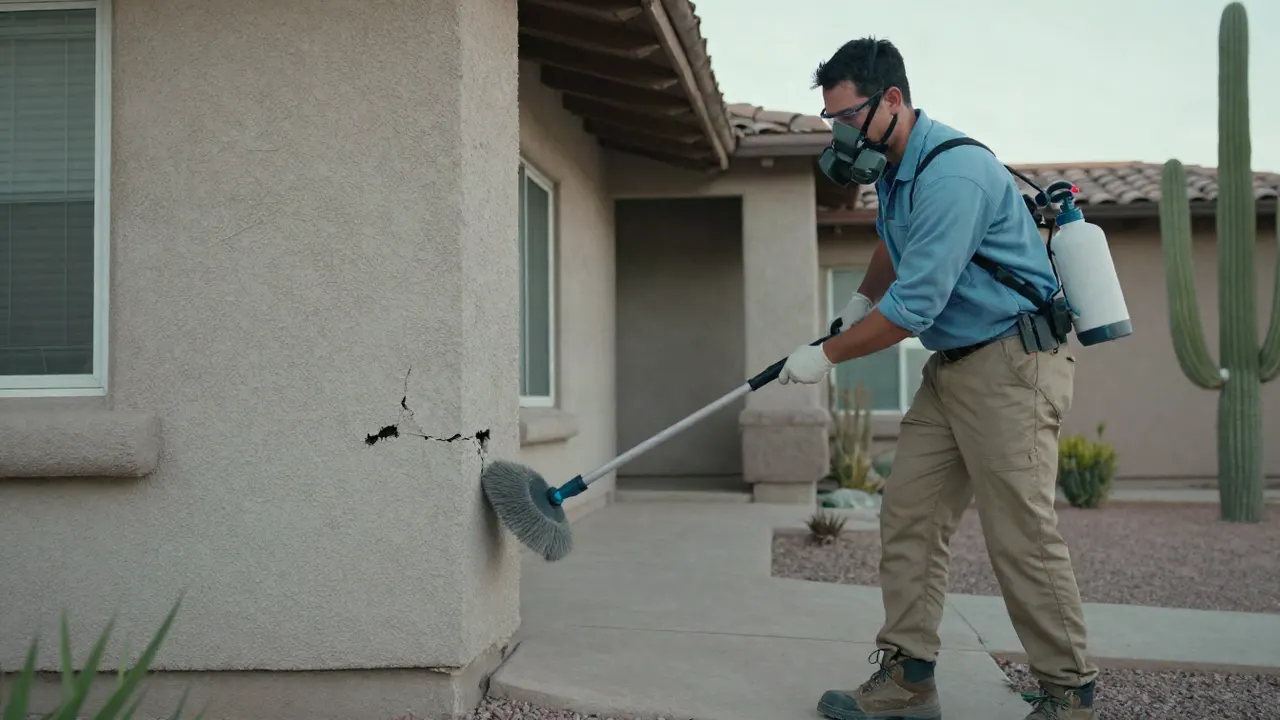
After a Miami downpour, compare the screened porch with the kitchen and bathroom. Activity in a plumbing cabinet can continue even when the patio dries. In condos, identify which openings are inside the unit and which belong to the building. For a house, note the screened porch and the connection between exterior trim and concrete block.
You can prepare by walking the rooms where you have seen activity and the parts of the exterior you can reach from the ground. Make a short record of what you find and when it appeared. The aim is to help someone repeat your observations without guessing which rooms you meant.
Why the first sighting location matters
Start at the nearest wall, seam, or threshold. Write down where the pest first appeared and where it moved, if you saw it move. Draw a quick floor plan for sightings in several rooms. An exterior wall and a pipe chase can pass through different parts of a house.
- Door and window edges. Look at the corners and weatherstripping from inside in daylight. Note any opening you can see with the door fully closed.
- Kitchens and baths. Record the specific cabinet, drain, or pipe opening nearest a sighting and any leak or condensation you can observe.
- Garages and storage. Record activity beside the garage door separately from activity around shelving or the door into the house.
What changes from one Miami home to the next
A shaded patio next to irrigation creates different conditions from an exposed doorway facing a driveway. Look for small wet areas beside walls after watering, items stacked close to doors, and exterior lights near openings. Record which condition is closest to repeated activity.
For townhomes and apartments, identify shared walls, trash areas, and utility cabinets the property manager may need to open. For detached homes, include additions, patio doors, and the attached garage. Note any recent work around the foundation or utility penetrations.
Outdoor visitors and recurring indoor activity
A pest arriving near an open door during yard work is a different pattern from a pest appearing repeatedly beneath the same kitchen cabinet. Comparing time, location, and what happened just before the sighting helps you describe the pattern without trying to identify the source yourself.
- At one opening after an outdoor change. Check whether the sightings coincide with watering, deliveries, yard work, or a door that was left open.
- In the same cabinet or room on different days. Check from the outside of the cabinet for a leak or gap and record how often you see activity.
Six places to check before the visit
- Front and patio thresholds. Compare each end of the weatherstrip when the door is shut.
- Garage door and interior door. Note which opening is nearest the activity and where each seal meets the floor.
- Sink cabinets. Look for damp surfaces or open space around a pipe without reaching into a dark gap.
- Windows and screens. Check for a damaged screen or a loose frame near the room where you saw the pest.
- Exterior walls at ground level. Note irrigation, pooled water, stored items, and vegetation that contacts the building.
- Bins and food storage. Check where crumbs, spills, pet food, or a poorly fitting lid coincide with activity.
What makes an area worth checking first
Compare the easiest observation to verify with the highest-traffic areas of the house. Start with a room or doorway where the issue keeps recurring.
- Repeated location. Several sightings along the same baseboard give the inspector a place to compare against the room on the other side.
- Visible opening. Daylight at a door corner gives you a specific repair to discuss.
- Moisture. A leak or irrigation spray beside the wall is worth recording even on a dry day.
- Recent change. Include moves, new appliances, and cable or plumbing work in your notes.
- Regular use. For activity beside a busy entrance or around children or pets, explain how people use that area.
What to write in a pest sighting log
- When. Record the date and approximate time.
- Where. Write the room, surface, and closest door or pipe.
- How many. Separate one sighting from a recurring group or trail.
- Photo. Use a clear image from a safe distance.
- Changes. Mention recent repairs, rain, or changes to watering.
- Products. List any pesticide, bait, or other product already applied.
A practical prevention plan
Start with the easiest entry repair
A torn screen or worn, accessible door seal gives you a clear starting point. Ask about the opening before closing gaps that serve ventilation or drainage.
Address the water source
Fix leaks and check where irrigation reaches the wall. Recheck after the next watering cycle so you can tell whether the change worked.
Keep occupied areas easy to inspect
Put dry food in containers with tight lids and make sure the main storage edges can be seen. The University of Arizona pest-proofing guide explains how entry repairs and changes to food, water, and shelter can work together.
Compare the next sighting with your notes
Use the same location descriptions after repairs or a service visit. If activity continues at one spot, the record helps you decide whether to recheck that opening or look beyond it.
Common mistakes before an inspection
- Calling every small insect the same pest. Send separate photos if they look or behave differently.
- Writing down only the total number. Several sightings in one place tell you more than a total across the house.
- Disturbing a nest for a photo. Leave it alone and describe where it is from a safe location.
- Covering an opening before identifying it. Ask whether it is intended for ventilation or drainage.
- Forgetting prior treatments. Bring the product name and date so the provider can factor them in.
When to request a home inspection
Arrange an inspection when activity repeats, takes place in an inaccessible area, or has several possible sources. For sightings you can distinguish, the ant guide and cockroach guide offer more focused places to check.
Frequently asked questions
Do I need to identify the pest before requesting a visit?
A clear photo and a precise location are enough to start. Note where the insect was, whether it moved, and whether the same kind has appeared there before.
Should I spray the area before the inspection?
Share the product and date if you already applied something. If the visit is upcoming, ask the provider before treating so they can give preparation instructions specific to the pest and product.
Which areas should I make accessible?
Ask which rooms, doors, garage edges, and exterior walls the inspection will cover. Move objects only where you can do so safely without disturbing a nest or contaminated material.
Can one visit explain activity in several rooms?
It can help determine which sightings share a path or condition. A closet near a garage and a sink cabinet across the house can also have separate causes, so record each location.
What should I ask for after the visit?
Ask for the identified or suspected pest, the locations checked, any limits to the inspection, and a short list of repairs or monitoring steps. Confirm what any follow-up covers.
Get help with general pest control in Miami
Compare the first signs after a downpour with their location after the area has dried. Keep any broken screens, service penetrations, or plumbing leaks in the same notes. Share the finding and check coverage for the relevant ZIP.
Read the General Pest Control service page. See the Little Havana guide or send an inquiry.