
German vs. Outdoor Cockroaches in Miami Homes
Compare the signs of indoor breeding with larger cockroaches entering from outside. Know what to inspect and what details to record before calling.
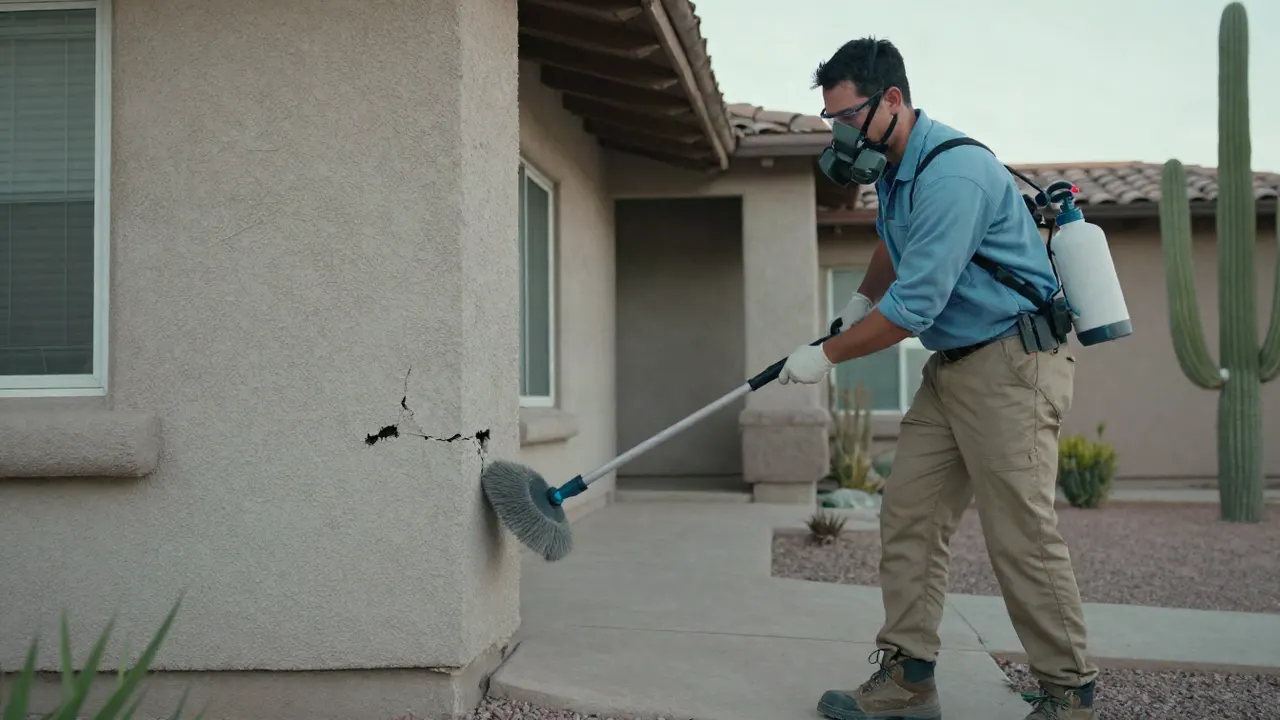
Record whether the roach is at a screened entry after rain or appears repeatedly in a kitchen. Compare the times and any shared access routes before scheduling. In condos, identify which openings are inside the unit and which belong to the building. For a house, note the screened porch and the connection between exterior trim and concrete block.
Before you clean, move equipment, or apply a product, write down the room, approximate size, and how often it happens. Then compare the observation with the kitchen, bathroom, or exterior locations described below.
Why the indoor and outdoor distinction matters
The UC IPM cockroach guide distinguishes species commonly associated with indoor breeding from species often found outdoors. An effective inspection uses species, location, and evidence of reproduction to choose a treatment area.
Three observations make the first inspection more useful:
- The affected room. A side entry and a kitchen equipment alcove point to quite different inspection routes.
- Repeat activity. Seeing the same kind of cockroach at the same appliance twice is more useful than two widely separated sightings.
- The range of sizes. Small and larger stages together near equipment can suggest an indoor source worth investigating.
Treat outdoor and indoor observations as separate until you can connect them. A single garage sighting is a reason to check that threshold, while repeat kitchen activity deserves its own notes.
What Miami kitchens, garages, and shared walls can tell you
In a Miami kitchen, inspect accessible appliance edges, cabinet corners, and areas below sinks. Keep a note of any leak or long-standing moisture, and make a distinction between food-prep areas and gaps inside equipment.
The nearest outdoor route might involve a side door, garage, shaded debris, or irrigation close to the wall. Compare the hours and locations of sightings with how often the doors are opened.
In apartments and attached homes, check whether a vanity or kitchen shares plumbing with another unit or a common area. Ask building management how to report the location without moving or treating equipment that belongs to someone else.
The Little Havana pest control page has more local context. Your building’s connections and observation log matter more than a street name alone.
German cockroaches and larger outdoor visitors
A confirmed species can help set expectations about where to look and how to monitor. Many people use the same name for several different cockroaches.
Use these two broad patterns to decide where to look next:
- Small roaches around warm equipment. Adult German cockroaches are relatively small and can have two dark stripes on the shield behind the head. Repeat sightings and nymphs near food and water warrant a closer indoor inspection.
- Larger roaches by a boundary. Some larger species normally live outdoors. When one shows up at a side door, check the weather seal and nearby shelter, then review whether other rooms have similar activity.
Appearance alone can mislead, especially if you see only a young stage or a fast-moving insect from across the room. A clear photo and a record of capture locations help.
Six places to inspect before choosing a plan
Use a flashlight and check accessible edges. Leave heavy or connected equipment in place until a qualified person can determine what should be moved.
- Refrigerator edges. Look along the accessible floor and cabinet line. Record which corner shows repeated activity.
- Dishwasher edges. Check where the cabinet meets the unit for dampness or sheltered gaps.
- Sink cabinet. Note leaks and openings around accessible supply and drain lines.
- Dry food storage. Inspect the sides and bottoms of boxes and look for residue or other evidence on adjacent shelves.
- Garage and side doors. Look at lower seals from both sides and record whether large roaches are concentrated there.
- Outdoor shelter nearest the sighting. Check damp ground cover, debris, and shaded storage along the same wall.
Make a note for rooms with no activity as well. It helps avoid treating the entire property the same way when observations are clustered in one specific place.
Why the same area keeps showing activity
Cockroaches need suitable shelter and access to resources. The useful question is which of those conditions exists at the exact site where they have been seen.
- Warm narrow spaces. An appliance alcove or cabinet seam offers shelter close to household activity.
- Water sources. A drip under a sink or recurring dampness can keep a spot suitable.
- Accessible food. Pet food, grease, or residue below appliances can remain after ordinary cleanup.
- Sheltered outside areas. Organic debris and shaded edges can support some outdoor species.
- Connections to other spaces. Thresholds and shared utility gaps can link activity in one room to another location.
Our Cockroach Control page explains how the inspection changes depending on which conditions are confirmed.
What to put in your sighting notes
Make each observation useful enough to compare with the next. Even one photo is better with a date, a room, and a location.
Include the details below when you can:
- Where it appeared. Name the appliance, cabinet, threshold, or wall edge.
- Time and recurrence. Record whether this was isolated or repeated in the same spot.
- Approximate size. A reference object can help if you photographed it.
- Multiple life stages. Write down where little and large cockroaches were present together.
- Moisture and food clues. Note damp material, visible residue, and pet-feeding areas close to the observation.
- Prior treatment. Tell the inspector what has already been applied and where.
If you use an insect monitor where appropriate, label it with a date and room. Keep it out of the reach of children and pets.
How to reduce recurring cockroach activity
Use an integrated plan based on where the insects have been found. Physical changes and consistent monitoring support a targeted inspection.
Keep food contained
Close food containers, clear residue, and store pet food securely. Include the less obvious edges near food dispensers and large appliances.
Fix or report the moisture source
Dry the area, then recheck to see whether water reappears. In rentals or shared buildings, photograph the leak and report it to the person responsible for repairs.
Address the likely route
Repair worn seals and discuss accessible gaps when evidence points to entry. Keep designed ventilation and equipment openings functional.
Compare monitor readings over time
Read monitors in comparable locations. Document the counts, size patterns, and dates before moving them.
If you are also seeing another household pest, General Pest Control can help you decide which observations should be treated as separate problems.
Common mistakes when identifying cockroaches
A familiar nickname is rarely sufficient to choose a treatment area. Keep the evidence tied to the room where it was gathered.
These habits can obscure the source:
- Assuming every large cockroach lives indoors. Look for recurring activity indoors or physical evidence of entry.
- Assuming a small roach is a young outdoor visitor. Compare patterns and check for other life stages.
- Putting every monitor in the same room. Compare likely indoor sites with the nearest boundary.
- Cleaning up every clue before recording it. Photograph capture locations and water or food conditions first.
- Layering products without a plan. Share what was used and ask what the next measure is expected to change.
When it is time to request an inspection
Ask for an inspection if you keep finding cockroaches in several life stages, see repeat activity around food, or need help distinguishing a garage visitor from indoor activity. Mention leaks and any shared walls.
See the cockroach inspection and pricing factors or share your observations in the contact form.
Frequently asked questions
How can I tell if the activity starts indoors?
Look for repeat sightings, multiple life stages, and captures clustered around warm equipment or cabinet seams. A photo or specimen helps identify the species before conclusions are drawn.
Can large cockroaches enter from outside in Miami?
Some species commonly live outside and can enter structures. Inspect the closest doorway, sheltered outdoor debris, and moisture near the foundation when the observation fits that pattern.
Should I move the appliances before an inspection?
Photograph the area and keep it accessible if possible. Ask before moving heavy equipment, disconnecting appliances, or clearing anything that could help identify the activity.
How is a cockroach control price determined?
It depends on the affected area, pest identification, access, treatment requirements, and what follow-up is included. Ask for the scope in writing.
How should I describe a cockroach photo?
Include the approximate length, where it was found, and whether you saw several sizes in the same location. A photo alongside a familiar object can help show scale.
Get help with cockroach control in Miami
Compare the first signs after a downpour with their location after the area has dried. Keep any broken screens, service penetrations, or plumbing leaks in the same notes. Share the finding and check coverage for the relevant ZIP.
Read the Cockroach Control service page. See the Little Havana guide or send an inquiry.