
Where Spiders Hide in Miami Garages
Learn how to tell fresh web activity from old webs and where to check lighting, storage, screens, and doors in Miami garages.
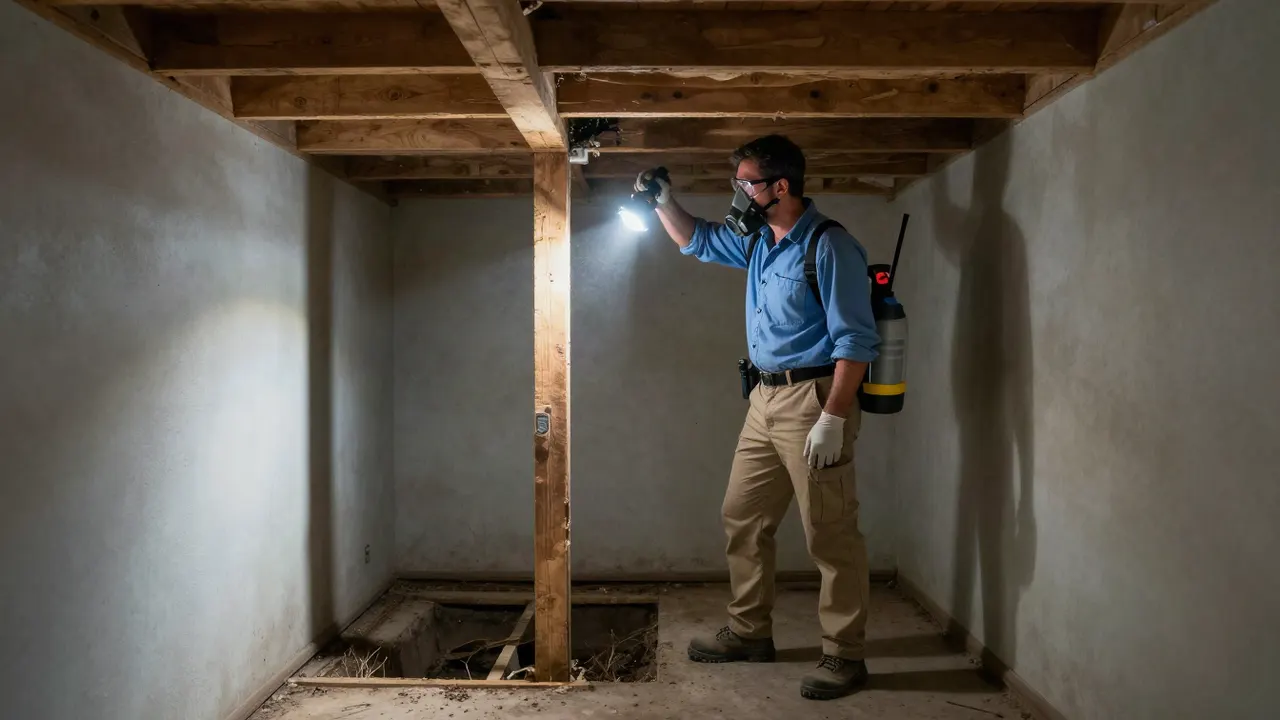
Check screen corners and lights near a covered entrance. By comparing fresh webs there with those near the interior door, you can narrow the area to inspect. In condos, identify which openings are inside the unit and which belong to the building. For a house, note the screened porch and the connection between exterior trim and concrete block.
The goal is a focused check of the space you use, not a search through every box in the building. Here are the garage and patio areas that can explain a pattern and help you decide which changes to make.
Why garage corners can attract spiders
The UC IPM spider guide describes how exterior lights attract insects, which can provide prey for spiders. Protected spaces and an opening to the outdoors may contribute to the same pattern.
Look for these three conditions together:
- A spot that stays undisturbed. The edge behind shelving, a tucked-away bin, or a sheltered wall can provide a quiet place.
- Insects nearby. Observe activity around the exterior light and the wall directly below it.
- A route to the garage. Check the bottom door corners, the screen, and any accessible seam near the sighting.
Fresh activity near a doorway deserves a different priority from an old web in a rarely used exterior corner. Start where people regularly enter, pass through, or reach for things.
What to look for in different Miami garages
A garage off a narrow driveway may have an exterior light directly above the opening. A side-entry garage might instead face covered patio storage or a quiet wall with little daylight. Compare the activity and nearby conditions on both sides of the doorway.
Attached garages give you two thresholds to check. The outdoor door can admit wandering insects, while a worn house-entry seal can allow them to continue toward living space. Label the two doors separately in your notes.
Storage can hide the route without being the root cause. Note which items were recently moved and which shelves you use frequently. Inspect with a light from the open side and avoid reaching blindly behind boxes.
For adjacent property and neighborhood context, see our Coral Way pest control page. Use the inspection photos to show the layout in your specific garage.
Web-building spiders and wandering spiders
Different spiders use different ways to catch prey. The appearance of the location can guide a first inspection even when you cannot identify the spider.
Compare these two broad observations:
- Repeated fresh webbing. Record the attachment points and whether a web reappears after cleanup. Check nearby shelter and insects.
- A spider crossing the floor. Check the nearest opening, screen, or object moved from outdoors. A visible web may be absent.
Keep the actual sighting separate from any guess about species. A photo from a safe distance gives the person inspecting your property something concrete to review.
Six garage and patio locations to inspect
Use a flashlight and view each location from the open side before moving anything. Prioritize areas people use daily.
- Bottom door corners. Look for light at the ends of the sweep when the door is closed.
- The door into the house. Check the threshold and lower jamb separately from the garage opening.
- Quiet shelf edges. Look at accessible corners, wall joints, and the floor beside stored bins.
- Windows and screens. Check the frame and look for tears or loose sections.
- The wall near exterior lights. Observe where flying insects rest and where webs have attachment points.
- Covered patio furniture. Inspect the edges of stored covers or regularly used furniture from a safe distance.
One garage may have several possible sites. Record which ones show fresh activity and give those the greatest weight before changing the lighting or storage arrangement.
What can keep activity concentrated in one place
A repeated web location is evidence that the area continues to offer something useful. Consider the combination of structure and prey rather than treating the whole property alike.
- Exterior lights close to openings. Insects may cluster close to a route indoors.
- Undisturbed storage. Covered bins and shelves create protected edges.
- Gaps at a window or door. A torn screen or worn seal can let wandering spiders and insects inside.
- Plant growth touching the wall. Contact near a door or window is worth inspecting when you find activity on that side.
- Covered outdoor surfaces. A quiet underside can provide web attachment points near insect traffic.
If you find repeat activity you cannot inspect safely, review the Spider Control service and flag the exact location in your request.
Six details that make a web or sighting report useful
Photograph a web from enough distance to show the surrounding shelf, corner, or door. A picture of one strand gives less context than the place where it was attached.
Include these details when you have them:
- Room and corner. Give the nearest door or shelf.
- Web age or recurrence. Record when you cleaned the area and whether the web returned.
- Visible spider. Keep a sighting separate from the presence of old silk.
- Lighting. Note the closest fixture and when it is used.
- Other insects. Write down where small flying or crawling insects collect.
- Recent changes. Mention a new opening, moved storage, or a replaced light.
Mark each location separately. Changes around one lamp may explain a web on that wall while having very little effect on a distant shelf.
Ways to reduce repeat spider activity
Take several small steps that give you a clear before-and-after check. Begin where your records are strongest.
Reduce entry gaps
Repair torn screens and inspect the ends of door seals. Confirm that a repaired door still closes freely.
Review where insects collect at night
If the light and webs occur in the same area, consider whether a different lighting position or schedule would move activity away from a frequently used threshold.
Improve safe access to storage
Put commonly used objects where you can see them and use closed storage where practical. Leave a visible edge along walls and shelves.
Recheck the active web sites
After safely dealing with accessible webs, compare the same attachment points on a regular schedule. Record fresh rebuilding rather than counting all silk in the garage.
When insects are drawing activity to a garage entry, our Cricket Control page covers other clues related to nighttime insects.
Common mistakes when checking a garage for spiders
The easiest web to see may be away from the area with the most recent activity. Pay attention to what is fresh and where you can check safely.
Avoid these planning shortcuts:
- Counting every old web as active. Look for rebuilding or other recent evidence.
- Reaching where you cannot see. Use a light from the open side or ask for help if the area is hard to reach.
- Identifying a spider from one detail. Color or size alone can be uncertain.
- Ignoring other insects. Prey can explain why the same light or corner stays active.
- Cleaning webs without repairing a known gap. Watch where new activity returns after the opening is addressed.
When to request an inspection
Ask for help if spiders or fresh webs repeatedly show up in frequently used areas, you cannot inspect a sheltered spot safely, or sightings continue after an obvious opening has been repaired.
See Spider Control in Miami for inspection and pricing details, or share your notes through the contact page.
Frequently asked questions
Are old webs proof spiders are still active?
Old webs can remain after the spider leaves. Fresh rebuilding, a visible spider, or repeat activity in the same location are better inspection clues.
Why are spiders gathering near my porch light?
Insects drawn to lights can become food for spiders. Look at the fixture, covered surfaces nearby, and any door or screen that connects that area to indoors.
Where should I look in a garage?
Check quiet shelf corners, the door jamb, the shared house-entry threshold, and wall edges near storage. Use a flashlight without reaching into unseen spaces.
What affects a spider control estimate?
The affected area, access to storage and exterior edges, presence of insect prey, repairs, and follow-up requirements all affect the scope.
Should I try to identify a spider by handling it?
Use a photo from a safe distance and record where you found it. A clear location and image help more than disturbing a spider or reaching into the shelter.
Get help with spider control in Miami
Compare the first signs after a downpour with their location after the area has dried. Keep any broken screens, service penetrations, or plumbing leaks in the same notes. Share the finding and check coverage for the relevant ZIP.
Read the Spider Control service page. See the Little Havana guide or send an inquiry.